Foundation Repair London Ontario: Methods, Materials, and Timelines
The ground under London, Ontario is rarely neutral. Clay pockets swell and shrink with moisture swings. Older subdivisions straddle former creek beds with siltier soils. Newer infill homes sometimes sit on backfilled lots where compaction is uneven. Add lake effect precipitation, a freeze-thaw cycle that bites hard in February, and spring thaws that load clay with water, and you get a region where basements demand respect. If you own a home here and you have noticed step cracks, doors that stick, or a faint musty smell after rain, you are not alone. Effective foundation repair in London Ontario depends on reading the site, choosing the right method for the soil and wall type, and timing the work to the weather.
How problems start in our region
Most structural and moisture issues begin with water. Clay-rich soils common across Middlesex County swell when wet and contract when dry. That movement alternately pushes and pulls on the foundation. Over years, the cycle widens hairline cracks. Poor grading piles more water against the wall. Downspouts discharge at the corner and cut channels straight to the footing. Sump systems fail because of a sticky float switch or a power outage during a storm.
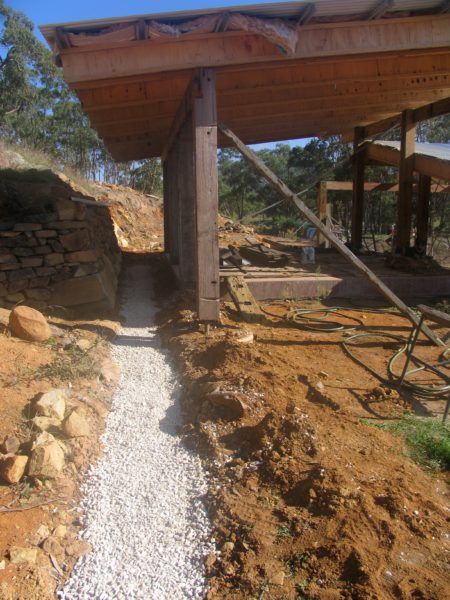
Older London neighborhoods, especially around Wortley Village, Old North, and pockets near the Thames, have a mixture of rubble, block, and early poured concrete walls. Each behaves differently. Rubble walls seep through the mortar joints. Concrete block walls bow when lateral soil pressure builds. Poured concrete stays stronger in-plane but cracks more predictably, often from window corners or at mid-span. Newer homes tend to have better dampproofing on the exterior, but contractor variances and backfill practices still create weak points.
When we talk about a wet basement London Ontario homeowners often describe a pattern. The first sign is a thin chalky line on the floor where water evaporated. Later it becomes a puddle after a storm, always in the same spot. Musty smell follows, then efflorescence, then spalling paint. If you have finished space, the baseboard swells and the carpet edges darken. Structural issues arrive more quietly. A narrow step crack on a block wall opens a millimetre at a time. A drywall seam in the stairwell opens. By the time a door rubs at the top or a gap appears under an exterior sill, settlement has moved beyond seasonal.
A quick field check before you call anyone
Use this short list to narrow what you are dealing with. It will help you describe symptoms clearly and set priorities when you speak with a contractor.
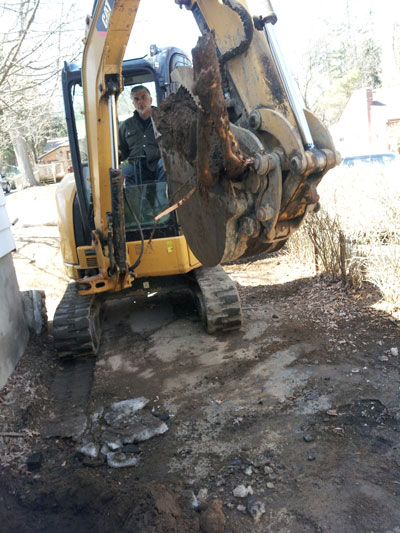
- After a 20 to 30 mm rainfall, walk the basement perimeter. Note where water enters and how long it lingers.
- Outside, verify downspouts discharge at least 2 metres from the foundation and that the first 2 metres of grading slopes away at 10 to 15 cm.
- Measure and photograph cracks. Mark ends with a pencil date. Note whether they widen after spring thaw or late summer drought.
- Tap baseboards and lower drywall for softness. Lift a corner of carpet near exterior walls to check tack strips for rust.
- Test the sump. Unplug and replug to hear the pump engage. Manually lift the float. If the pit is dry year-round, note that as well.
Those five steps do not replace a professional assessment, but they separate plumbing leaks from foundation leaks, and seasonal swelling from settlement.
What an assessment should cover
A good assessment in London is part detective work, part soil reading. The technician should ask about age of the home, any additions, sewer backups, and recent landscaping. Expect a moisture reading at several wall locations, a look behind at least one piece of insulation, and crack mapping. On the exterior, someone should check grading, downspout routing, and any signs of subsidence or heaved concrete at sidewalks and porches.
Soil type matters. In clay, lateral pressure issues dominate and exterior solutions that relieve pressure, like excavation with proper drainage and membranes, tend to last. In sandy or backfilled areas, settlement and washouts play a bigger role, so underpinning or piering might enter the plan. Where there is high groundwater, interior drainage and sump capacity become critical. As a rule, you want to move water by gravity when you can, and by pump only when necessary, with redundancy because pumps fail at the worst time.
Choosing methods that fit the house, not a brochure
There is no single best approach to foundation repair. Each house dictates a different mix, and getting the sequence right often matters more than the specific brand of material. Here is a snapshot of common solutions used for foundation repair London Ontario projects and when they make sense.
- Interior crack injection with epoxy or polyurethane for non-structural cracks that leak in poured concrete, best when the wall is otherwise stable.
- Exterior excavation and waterproofing with a membrane and new weeping tile for chronic seepage, bowing walls under soil pressure, or degraded dampproofing.
- Interior perimeter drainage with a sump for high water tables, finished basements where exterior access is blocked, or where soil conditions make excavation risky.
- Structural reinforcement using carbon fiber straps or steel I-beams for block walls that show horizontal cracking or inward bowing.
- Underpinning with helical or push piers for settlement, differential movement across additions, or where soils have low bearing capacity.
Those are labels, not prescriptions. The right plan often combines methods. For example, a block wall with a 12 mm horizontal crack and 15 mm inward bow at mid-span might get excavation on the outside to relieve pressure and install a proper waterproofing system, but still benefit from carbon fiber straps inside to restrain future movement. A poured wall with three diagonal cracks that drip after spring thaw might get injections, paired with downspout rerouting and a short section of exterior drainage at the worst corner.
Materials that last in our soils
Waterproofing and structural repair have improved with better materials. The brands vary, but the categories matter more than the labels.
For exterior waterproofing, a typical London stack now uses a liquid or sheet membrane bonded to clean concrete, followed by a dimpled drainage board that creates an air gap and a path for water. Peel-and-stick rubberized asphalt membranes adhere well to prepared concrete. Cold-applied liquid membranes can reach irregular surfaces on rubble or form tie pockets. The dimple board protects the membrane from backfill damage and channels water to the footing drain.
At the footing, modern weeping tile is usually 4 inch perforated pipe. Rigid PVC like SDR35 or comparable perforated pipe holds slope and resists crushing better than thin corrugated pipe, especially in clay that heaves. Place the pipe alongside the footing at or just below the top of the footing, bed it in 19 mm clear stone, and wrap the stone in a non-woven geotextile to keep fines out. Some older jobs skipped the fabric. In our clays, that is a false economy. Fines migrate and clog pipe beds within a few seasons when fabric is omitted.
Backfill practices decide whether a good membrane actually performs. Compact in lifts. Keep spoils with heavy clay content out of the top 300 mm near grade. Finish with a clay cap that sheds surface water, then a thin topsoil layer for landscaping. If you backfill entirely with clay, include the dimple board and protect it from sharp stones.
Crack repair splits into epoxy versus polyurethane injection. Epoxy bonds concrete to concrete, restoring structural continuity in a crack that is not expected to move. Polyurethane foams expand and flex, sealing against water where slight movement is expected. In poured walls, either material can work, but the choice should follow the crack type. Dry, clean, thin vertical cracks take epoxy well. Wider, damp, or actively leaking cracks often take polyurethane better. In block walls, injection works less consistently because the cores and webs redirect flow. Exterior repair is more reliable for block.
Interior drainage systems rely on proper sump configuration. A common basin is 18 by 24 inches, with a 1 third to 1 half horsepower pump that can move 2,500 to 4,000 gallons per hour against the head expected at your discharge point. A check valve should be installed and quieted with a vertical run to prevent water hammer. Ice guards or freeze protection fittings are useful in January when discharge lines freeze. Consider a battery backup pump sized to at least 1,500 gallons per hour for three to six hours, or a water-powered backup where municipal water supply and bylaw allowances permit. Label outlets and put the pump on a dedicated circuit. Sumps fail most often from neglected maintenance, floats hung up on cords, or power loss during thunderstorms.
Structural reinforcement materials have also improved. Carbon fiber straps epoxy-bond to the interior face of block or poured walls to resist further inward bowing. They install flush to the wall and can be painted over. Steel I-beams anchored to the slab and fastened to the joists offer more stiffness and are preferred when deflection already exceeds about 25 mm. For settlement, helical piles screwed below the active soil layer or hydraulic push piers driven to refusal both transfer loads to deeper strata. In London, torque readings on helicals often land in the 2,500 to 4,000 foot-pound range for residential applications, but the exact number depends on soil. Crews should record torque or drive pressure and provide those logs.
Timelines that reflect real crews and real weather
Homeowners often ask how long foundation repair takes and when to schedule. The answer depends on access, season, and scope.
Interior crack injection for one or two cracks in a poured wall typically takes 2 to 4 hours, plus a day for cure before finishing or repainting. You can schedule this any time of year, although colder basements slow cure slightly.

Interior perimeter drainage with a sump in a typical 800 to 1,000 square foot basement takes 1 to 2 days. Add a day if you have to remove and replace many linear feet of finished walls, or if you tie into multiple downspouts or floor drains. Expect noise and dust. Good crews run negative air machines and plastic off finished areas. Concrete cut and pour needs a cure period, often overnight, before you can walk comfortably.
Exterior excavation and waterproofing around a single side of a house, say 30 to 40 linear feet, usually takes 2 to 3 days with decent access. A full perimeter can take 5 to 10 working days, stretched by weather. Clay soils turn to soup in heavy rain, and most reputable crews will not trench next to a foundation in sloppy conditions for safety and quality reasons. Utility locates through Ontario One Call are required and typically take 5 to 10 business days to complete. Build that into your schedule.
Structural reinforcement with carbon fiber on a 30 foot wall takes a day. Steel beam installs can take a day or two, especially if joist pockets need reframing. Underpinning with piers ranges widely. Spot-pinning a single corner might be 1 to 2 days. A series of six to eight piers can run a week or more, plus time for lift and stabilization, then wall crack repairs after movement settles. Some underpinning jobs pause between initial stabilization and final interior finishing to observe movement through a wet-dry cycle.
Season matters. Exterior work runs best from late April through early November. Winter work is feasible but slower, and frozen ground increases labour. Interior work can be done year-round, which makes interior drainage and crack injection useful when you cannot wait for spring.
Costs and how to think about them
Exact numbers vary with access, finishing, and scope, but regional ranges help plan. For a typical home in London:
- Crack injection on a poured wall often runs a few hundred to a low thousand per crack depending on length and whether the crack is actively leaking.
- Interior perimeter drainage with sump commonly lands in the 3,000 to 8,000 CAD range for a smaller footprint, and 8,000 to 15,000 CAD for a full basement, depending on linear footage and pump configuration.
- Exterior excavation with full waterproofing and new weeping tile averages 120 to 250 CAD per linear foot, higher where access is tight and soil hauling is needed. Corners, porch steps, and utility penetrations add complexity.
- Carbon fiber reinforcement ranges from 600 to 1,000 CAD per strap installed, spaced 4 to 6 feet apart, with prep and finishing extra.
- Underpinning with helical or push piers often falls in the 2,500 to 4,500 CAD per pier range, with pier count driven by load and span. Spot repairs for a settling corner might be 6,000 to 12,000 CAD. Full sides or additions climb from there.
Insurance rarely covers groundwater intrusion. Some policies cover sudden sewer backups, which is a different problem. If water comes up from the floor drain or shower during storms, check your policy’s sewer backup rider and consider a backwater valve permitted by the Ontario Building Code, installed with permits.
When basement waterproofing is the right first move
Not every leak means structural trouble. Many London homes built from the 1960s through the 1990s have sound poured walls with aging exterior coatings. The original dampproofing was often asphaltic spray that dries and cracks in decades. Efflorescence on a sound wall, limited seepage after heavy rain, and a dry winter basement are classic signs. In those cases, true basement waterproofing, either from the exterior with membrane, dimple board, and new weepers, or from the interior with a concealed perimeter drain to a sump, solves 90 percent of the nuisance.
A homeowner on a cul-de-sac near Masonville recently faced this exact choice. Finished space covered two sides, and a deck blocked exterior access on a third. The wet area tracked along the rear wall below a long garden bed with irrigation. Rather than tear up two finished rooms and a deck just to run interior drain, the crew exposed eight feet at the worst corner, found a clogged clay tile, replaced it with SDR35 and wrapped clear stone in fabric, then waterproofed the excavated section. They also extended two downspouts 10 feet to discharge at grade. The basement stayed dry through spring melt. Months later, the owners chose to schedule a full exterior system for the other two sides when the deck came due for replacement. Staging work like that respects budgets and reality.
When you need structural repair first
If a wall bows inward, if cracks show shear across the face, or if doors and windows go out of square, treat structure first. Waterproofing a wall that is actively moving is like painting over rust. A block wall with a horizontal crack at mid-height wider than a few millimetres should be stabilized. Sleeper studs and drywall can hide a problem. If you do not know what is behind, pick a spot and open it.
Structural reinforcement pairs well with measures that reduce pressure. Excavation with proper drainage reduces the load. Inside, carbon fiber or steel keeps the wall from moving back. In more severe cases, partial wall rebuilds are necessary. Do not underestimate floors and joists in this chain. Some London homes have long joist spans that offer little lateral restraint. A top plate that is not firmly tied to the floor system lets the wall drift. Be open to proposals that include blocking or sistering joists along with wall reinforcement. Those carpentry details make the difference between a repair that holds and a repair that creeps.
Settlement repairs follow a different logic. When part of a house sinks, the reason can be poor soil, poor fill, leaking plumbing that softens soil, or tree roots drawing moisture from clay. Stabilizing first with piers stops the movement. Lifting to recover lost elevation is case by case. Lifts redistribute loads and can open or close cracks unpredictably. If you have finished space, accept that some finishing will need adjustment after stabilization. Good crews set realistic targets, stabilize, lift incrementally while monitoring the structure, and stop before creating new issues.
Permits, locates, and the Ontario realities
Any excavation on your property triggers the need for utility locates. Ontario One Call is mandatory, and the locate window can stretch a week or more in busy seasons. Gas, hydro, telecom, and water lines often run close to foundations, especially at corners. Contractors should coordinate locates and markouts. Inside, adding or relocating a sump and discharge may require plumbing permits depending on municipality. City of London inspectors will look for proper backflow protection, discharge routing to grade, and separation from the sanitary system. Backwater valves require permits and inspection.
The Ontario Building Code sets standards for foundation work. A reputable contractor should be comfortable discussing how their method meets code. They should also carry WSIB and liability insurance. Ask for it. Reputable firms in London usually stand behind basement waterproofing with warranties that run from 15 years to lifetime, often transferable. Read the fine print. A warranty for a section of wall does not cover a different wall, and it usually excludes surface water entering through window wells without covers or through above-grade penetrations.
Finishing details that protect your investment
Small decisions make big differences. Discharge lines should daylight to a point that does not freeze solid or route to a municipal storm connection where permitted. Use smooth-wall pipe for long runs to reduce friction and risk of clog. Pitch the line properly. Heat trace can save headaches on an exposed section near grade when deep cold settles in.
Inside, choose moisture-tolerant finishes. If you have had a wet basement London Ontario homeowners know that carpet pad and MDF baseboard are the first casualties. Consider composite baseboards, vinyl plank with a thermal break underlayment, and removable access panels where drains run. Keep at least a few inches of inspection gap behind new drywall at the bottom if you use interior drainage. That gap is not laziness. It lets you spot trouble early and keeps finishes out of harm’s way.
Outside, extend downspouts well away from the foundation. Splash blocks do little in a heavy storm on clay. Rigid extensions buried shallow to daylight or to gravel dry wells help. Aim for at least two metres, more if grade pulls water back. Revisit grading every couple of years. Settling near the wall is normal and easy to correct with a few cubic feet of clay fill and a rake.
When to call, and what to ask
When choosing a contractor for basement waterproofing London Ontario or for structural foundation repair, treat the first visit like an interview. Ask how they determined the source of water. Request a sketch or simple diagram of the proposed system, including pipe type, stone type, membrane, dimple board, and discharge route. If carbon fiber or beams are proposed, ask about spacing, anchoring, and expected deflection control. For underpinning, ask whether helical or push piers fit your soils and why. Request torque or pressure logs after installation. Confirm who handles permits and locates. Discuss timelines openly, including weather contingencies.
Good contractors do not push a single method for every house. They will explain trade-offs. Interior drainage avoids exterior excavation and can be installed year-round, but it does not stop water at the wall and relies on pumps and power. Exterior waterproofing addresses the cause and relieves soil pressure, but it costs more, disrupts landscaping, and depends on access and weather. Crack injection is fast and cost effective for the right crack, but it is not magic for block walls or for cracks tied to active movement. Underpinning stabilizes settlement, but lift outcomes vary and finishing must follow, not lead.
A note on timelines after severe weather
After a major storm or rapid thaw, phones ring off the hook. Reputable companies triage emergencies first, like active leaks near electrical, sewage backups, or severe wall movement. Expect a queue. High-demand periods can stretch scheduling by weeks. Temporary measures help. Sandbags or temporary downspout extensions move water now. A portable dehumidifier set to 50 percent slows mold growth. If a sump fails, a rental pump from a tool shop and a hose out a window can buy time. Document the issue with dated photos and notes. When the estimator arrives, you will have a clear record of how water behaved.
Why regional knowledge matters
London is not the prairies and not the Shield. Our soils and weather write the rules. A crew that has worked through March thaws, summer drought cracks, and November rains will spot patterns early. They know which alleyways can take a mini-excavator without wrecking a neighbor’s fence, which neighborhoods still have clay tile weepers from the 1950s, and how to navigate permits at City Hall without surprises. That experience shows up in the quiet details: clean stone wrapped in fabric, discharge lines pitched right, sumps labeled and tested, membranes rolled tight around form ties, joints primed on cold mornings, and a homeowner who understands what was done and why.
If you weigh options for foundation repair London Ontario residents have strong choices. Start with a careful assessment. Match method to problem. Respect water and soil. Build in redundancy where pumps are involved. Do the small https://privatebin.net/?a34bf00054d8b78e#7sU4XTEr1zg1d1SmdkKsfdeRcp9s91PhG1nVpetMD3bZ things that keep big things from coming back. When in doubt, ask for clarity in plain language. A good plan will read as well on paper as it performs under your feet.
Ashworth Drainage — Business Info (NAP)
Name: Ashworth DrainageAddress: 514 Hale St, London, ON N5W 1G8
Phone: (519) 660-9375
Website: https://www.ashworthdrainage.ca/
Email: [email protected]
Hours:
Monday: 9:00 AM – 5:00 PM
Tuesday: 9:00 AM – 5:00 PM
Wednesday: 9:00 AM – 5:00 PM
Thursday: 9:00 AM – 5:00 PM
Friday: 9:00 AM – 5:00 PM
Saturday: Closed
Sunday: Closed
Open-location code (Plus Code): XRR3+HV London, Ontario
Map/listing URL: https://maps.app.goo.gl/9kaoXAxRtJRP1ThS9
Embed iframe:
Socials (canonical https URLs):
Facebook: https://www.facebook.com/ashworthdrainage/
X: https://twitter.com/ashworthrules
Instagram: https://www.instagram.com/ashworthdrainage/
https://www.ashworthdrainage.ca/
Ashworth Drainage provides basement waterproofing and foundation repair services in London, Ontario and surrounding areas in Southwestern Ontario.
The company helps homeowners address wet basements, water intrusion, and drainage issues with solutions that fit the property’s conditions.
Service requests can include foundation repair, waterproofing options, sump pump and drainage-related work, and related assessments.
Ashworth Drainage is based at 514 Hale St, London, ON N5W 1G8.
To reach the team, call (519) 660-9375 or email [email protected].
Business hours are Monday to Friday 9:00 AM–5:00 PM, with the office closed Saturday and Sunday.
For directions and listing details, use the map listing: https://maps.app.goo.gl/9kaoXAxRtJRP1ThS9.
Popular Questions About Ashworth Drainage
What does basement waterproofing help prevent?Basement waterproofing is intended to reduce water intrusion and moisture problems that can lead to dampness, leaks, odors, and damage over time.
How do I know if I may need foundation repair?
Common signs can include visible cracks, water seepage, shifting or uneven areas, or recurring moisture problems; an on-site assessment is usually the best way to confirm causes and options.
What areas does Ashworth Drainage serve?
Ashworth Drainage serves London, Ontario and surrounding areas in Southwestern Ontario.
What are Ashworth Drainage’s hours?
Monday–Friday 9:00 AM–5:00 PM; Saturday closed; Sunday closed.
How can I contact Ashworth Drainage?
Phone: +1-519-660-9375
Email: [email protected]
Website: https://www.ashworthdrainage.ca/
Map: https://maps.app.goo.gl/9kaoXAxRtJRP1ThS9
Facebook: https://www.facebook.com/ashworthdrainage/
X: https://twitter.com/ashworthrules
Instagram: https://www.instagram.com/ashworthdrainage/
Landmarks Near London, ON
1) Kiwanis Park2) Western Fair District
3) Covent Garden Market
4) Victoria Park
5) Budweiser Gardens
6) Museum London
7) Fanshawe Conservation Area