Basement Waterproofing vs. Foundation Repair: What London Ontario Homes Need
Most homeowners in London find out the difference between waterproofing and foundation repair the hard way, typically after a spring thaw turns a hairline crack into a wet carpet. Both disciplines live in the same part of the house and often get discussed together, yet they solve different problems. Knowing which one you need can save you thousands, shorten the timeline, and prevent repeat headaches.
Why water is so relentless here
London sits in the Thames River watershed on soils that range from clay to silty loam, with pockets of sand and fill in newer subdivisions. Our climate stacks the deck against basements. We get freeze-thaw cycles from November through March, lake effect snow that melts in pulses, and sudden summer storms that overwhelm eavestroughs. Frost drives to roughly 1.2 metres in Southern Ontario, which matters because expanding frost can jack a foundation or open up a footing drain joint.
Clay is the other villain. When clay gets wet, it swells, and when it dries, it shrinks. Repeated movement shears caulking lines and opens cracks at cold joints. If the original weeping tile plugs with silt or iron ochre, hydrostatic pressure builds along the wall and at the cove joint where the wall meets the slab. Water takes the easiest path. That might be a tie rod hole, a https://mariozlgt820.timeforchangecounselling.com/from-wet-to-wonderful-london-ontario-backyard-transformations-with-french-drains porous mortar joint, or the hairline crack you noticed three years ago and filed under someday.
Two problems with one address
Waterproofing tries to control water. Foundation repair restores strength and alignment. Sometimes you need both, often you need one. Here is the rule of thumb that holds up on job sites around London: if the wall is holding shape and the floor is level, stop the water first. If the wall is bowing, settling, or shearing at the footing, stabilize the structure, then address water.
Homeowners often call about a wet basement London Ontario contractors hear the same starting point. You see a puddle, musty smell, maybe efflorescence on the wall. Your first instinct is waterproofing. That is usually right, but not always. I have seen block walls with clean water entry that looked harmless until a straightedge showed 25 millimetres of inward bow. That home needed reinforcement, not just a membrane.
Reading the signs without tearing open drywall
You can learn a lot with simple sightlines and small tools. Use a four foot level on suspected walls, then on the slab. Stand at one corner and sight along the wall to spot bulges. Look for these telltales:
- Horizontal cracks halfway up a block wall, stair step cracks near corners, or a long shear at the bottom course point to lateral soil pressure. Those are structural.
- Vertical hairline cracks in poured concrete that leak during rain are usually shrinkage cracks or cold joints, often fixable with injection or exterior patching.
- Water at the cove joint without visible wall cracks suggests a drainage problem. Think clogged weeping tile or high water table.
- Doors rubbing, drywall seams opening upstairs, and new gaps at baseboards can indicate settlement. Combine that with diagonal cracks off window openings in the foundation, and you likely need underpinning or piering.
A moisture meter can confirm your hunches, but even a sheet of foil taped to the wall helps. If condensation forms on the room side of the foil, humidity is the issue. If the wall side is wet after a storm, you have bulk water entry.
What basement waterproofing really means
Basement waterproofing is not a single product. It is a system designed to collect and redirect water before it finds its way inside, or to relieve pressure so water never bothers the wall again. In London you see three main approaches.
Exterior excavation and membrane. Crews dig down to the footings, scrub the wall, fill cracks, apply a polymer-modified membrane, add a dimple board, and replace or install weeping tile with a filter sock that connects to a sump or storm lateral where permitted. Done correctly this addresses the source of the pressure and protects the wall. It also tears up landscaping and requires access. On tight lots with side yards under a metre, excavation can be slow and hand dug. Exterior waterproofing shines on poured concrete walls with accessible perimeters.
Interior drainage systems. Trenches are cut along the slab edge, perforated pipe is laid beside the footing, and a durable drainage board channels wall seepage into the drain. The system discharges to a sump pump. Interior systems do not stop water from touching the wall, but they relieve hydrostatic pressure and keep the space dry. They are common in finished basements because they spare the yard. They are ideal on block walls where water moves through cores, and on homes where exterior access is poor.
Crack injection. For isolated leaks in poured walls, low pressure polyurethane expands and seals the void through the wall thickness. Epoxy injections, less common here for water control, are used to structurally bond a crack when movement is not expected. Injections are fast and cost effective for single cracks. They are not a fix for clogged weeping tile or widespread dampness.
There are also surface treatments like breathable silicate sealers for minor dampness, and exterior French drains to move surface water away. I only use coatings like cementitious parging on the exterior as part of a layered system, not as a standalone promise, because coatings alone age, peel, and crack under freeze-thaw.
What foundation repair covers
When the foundation is moving or has lost capacity, waterproofing solves the symptom but not the cause. Structural repair in London typically falls into a few buckets.
Reinforcing bowed or cracked walls. For modest inward deflection on block walls, carbon fiber straps epoxied to the face distribute loads and prevent further bowing. For larger movement, steel I beams anchored at the sill and the slab handle lateral pressure. Where the bottom course has slid over the footing, partial rebuilds with new rebar and grout become necessary. If exterior access is possible, excavation and soil unloading combined with reinforcement reduces future pressure.
Underpinning or piering for settlement. Helical piers or push piers transfer the home’s load to more stable strata. In our soils, installers often hit target torque within 3 to 6 metres below grade, but older river terrace areas can be deeper. Piers can lift, but more importantly, they stabilize. I advise homeowners to be cautious about promises of complete lift in finished homes, as lifting can stress plumbing and finishes. The win is stopping further drop.
Footing and slab repairs. If frost heave fractured a corner or sulphate attack ate at old concrete, sections may need to be cut out and rebuilt with modern concrete and rebar. Slabs that settle away from the wall can be mudjacked or foam lifted. Remember that slab movement is not the same as foundation failure, but a gapped cove joint is a water path.
Tie rod and form hole remediation. Old poured walls often leak at rusted form ties. Sealing each with the correct resin plug and surface patching solves a surprising number of nuisance leaks.
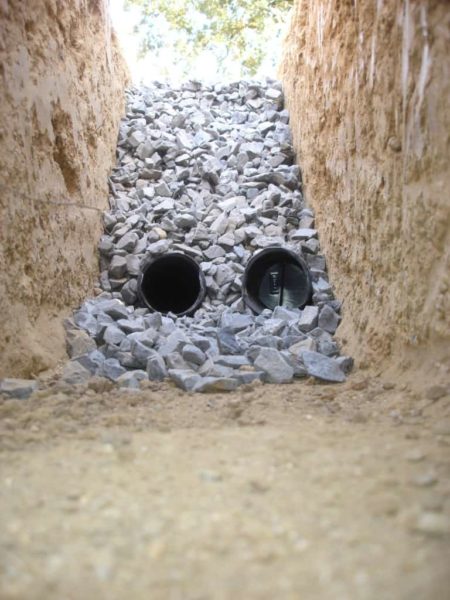
The phrase foundation repair London Ontario covers a big range of skill and scope. A good contractor explains not only what they will do, but also what they are not fixing and why.
When you need one, the other, or both
Picture a 1978 two story in Westmount with a block foundation. The homeowner finds damp carpet near the north wall after spring rains. The wall shows white efflorescence and a faint horizontal crack two courses below mid height. The level shows 10 millimetres of inward bow over 8 feet. Gutters are clean. Grading is flat and clay heavy.
An interior drain and sump would keep the carpet dry, but the wall is moving. I would excavate that wall to bottom of footing to unload the soil, add an exterior membrane and new weeping tile, then reinforce inside with carbon fiber straps or beams. It costs more than just drainage, but you address water and lateral pressure at once. Skipping reinforcement invites future movement.
Now switch to a 2005 poured concrete basement in North London with one vertical crack at a window opening, active only in August after long rains. The slab is level and the wall is plumb. A polyurethane injection solves it in half a day. No need to dig up the yard or install an interior system.
A third case from Old South involved a porch addition that had settled an inch at the outside corner, telegraphing a diagonal crack into the foundation. The basement was dry. Waterproofing did nothing for this. Helical piers under the porch foundation stabilized it, then the visible crack in the main foundation was stitched and sealed.
Cost realities in this market
London pricing floats with access, depth, and scope, but most projects fall into familiar ranges.
Crack injection on a poured wall runs a few hundred dollars per crack, rising with length and finish removals. A small day job with two to three cracks and minor drywall work often lands between 800 and 1,500 CAD.
Interior perimeter drainage with sump and battery backup typically falls between 70 and 120 CAD per linear foot. A full perimeter in a 900 square foot basement might end up between 8,000 and 15,000 CAD, more if you need multiple day basins, egress window wells, or extensive finish removal.
Exterior excavation and membrane with new weeping tile usually ranges from 150 to 300 CAD per linear foot, affected by depth, access, and obstructions like decks and air conditioners. Full excavations around an entire small bungalow can exceed 25,000 CAD. Partial walls are common to control cost.
Structural reinforcement using carbon fiber straps is often 800 to 1,200 CAD per strap, spaced 4 to 6 feet on center depending on engineering. Steel beam installs run more. Underpinning with helical piers typically starts around 2,500 to 3,500 CAD per pier, with most residential lifts using 4 to 10 piers. These are broad ranges that reflect real bids I have seen in and around London.
Do not forget soft costs. If you remove finishes, you will want to budget for drywall, baseboards, flooring transitions, and repainting. If exterior work disturbs landscaping, factor in sod, shrubs, and hardscape resets. The cheapest option in June can look expensive in November if you must re-landscape everything you planted.
Permits, code, and local quirks
London follows the Ontario Building Code, and the city often requires permits for structural work like underpinning or beam installation. Crack injections and interior drains are not usually permitted work unless they affect structure or plumbing, but always ask. Sump pump discharges cannot be tied into sanitary sewers, and the city has programs discouraging downspout connections to the storm system. Some neighbourhoods still have combined sewers, which raises the risk of basement backup during intense rain. Waterproofing helps with ground water, but a sewage backup needs backwater valves and plumbing changes. That is a separate scope with its own permits.
Frost protection matters for new walkouts or entries. If you plan to cut in a basement walkout as part of exterior waterproofing access, the walls and footings must meet frost depth, drainage, and guard requirements. A qualified contractor will coordinate permits where required and bring in an engineer for structural design.
How long work takes and when to schedule it
Interior drainage systems in a typical basement take two to four days, plus cure time for concrete. You can often live in the home during the work, though the jackhammer is no lullaby. Exterior excavation on one side of a house takes about a week, more with utility crossings, tree roots, or hand dig zones. Full perimeter exterior jobs slide into the two to three week range with restoration.
Helical pier installations move quickly once laid out. A four pier day is common if access is clean. Carbon fiber installs are a day or two. Material lead times, not the work itself, often control schedules in spring.
Contractors book up starting in late March, and by June the queue can run several weeks. If you can, schedule assessments in winter or late summer dry spells. You not only get attention, you also catch problems before the next thaw or storm cycle.
Moisture, mold, and health
A damp basement rarely stays a small problem. Mold needs moisture, organic material, and time. Paper backing on insulation, wood sill plates, and carpet underlay provide food. London basements kept above 50 percent relative humidity in summer, especially after a rain, feed growth behind the walls. You may not smell it right away. A hygrometer costs less than twenty dollars and gives you a number instead of a guess. Aim for 40 to 50 percent. Use a dehumidifier large enough for the space, and keep it drained to a sump or a floor drain with a proper air gap.
Efflorescence looks like chalky salt and signals water movement through masonry. It is not mold, but it says your wall is weeping. Wipe it once, note the date, and watch if it returns after a storm. If it does, plan on waterproofing rather than painting over it.
The debate over interior vs exterior in London’s soils
Professionals love to argue this one. Exterior work addresses the source and protects the wall, which is elegant and durable. Interior systems are practical, less invasive to the yard, and effective at keeping the space dry. Which is right depends on access, wall type, and your goals.
On poured concrete with isolated leaks and decent grading, exterior spot repairs or injections are often enough. On older block walls with widespread dampness, interior drainage paired with vapor barriers performs well and avoids chasing water around the yard. If you have clay soils and a history of snowmelt flooding, a robust sump with redundancy makes sense regardless of exterior work.
Where a wall is moving from soil pressure, exterior excavation helps by unloading the soil, but you still need reinforcement. Doing only an interior drain without addressing pressure is like mopping a floor with the tap left on. Conversely, on a stable wall with a failed weeping tile, interior drainage and a sump can be the smarter first phase, with exterior work deferred or never needed.
Insurance and financing angles
Most homeowner policies do not cover groundwater seepage. They may cover sudden discharge from plumbing or sewage backup if you have the rider. Review your policy. If your basement floods because the stormwater system backed up, a backwater valve and sump improvements might qualify for municipal incentives in some Ontario cities. London’s programs have changed over the years, so check current offerings. When clients weigh exterior waterproofing in the 20,000 dollar range, pairing a line of credit with staged work is common. Tackle the worst wall first if budget forces phasing.
Maintenance after the fix
Good systems need small care. Keep downspouts extended at least two metres from the foundation and clear leaf strainers twice a season. Test sump pumps every month during wet stretches. Lift the lid, pour a bucket of water into the pit, and watch the float. If you rely on a basement for living space, add a battery backup or a water powered backup if your municipal water pressure and bylaws allow it. Inspect exterior grading every spring, especially where soil settles at utility trenches or along new patios. A half inch of slope per foot away from the house makes a difference.
If you had carbon fiber straps installed, do not cover them with impermeable finishes without the contractor’s blessing. Some systems prefer breathable coatings. Keep a record of any structural work with photos. It helps on resale and with future inspections.
Choosing the right contractor
The market for basement waterproofing London Ontario and foundation repair London Ontario includes one truck outfits and multi-crew firms. Size alone does not predict quality. What matters is diagnosis and follow through.
- Ask how they determined the cause. A good answer references grading, gutter performance, soil type, wall condition, and evidence of pressure or settlement, not just show you a brochure.
- Expect a scope that names components. Membrane type and thickness, drain pipe spec and filter sock, sump size and backup details, strap or beam spacing, pier design and target torque are the kinds of details pros include.
- Clarify warranty terms in writing. Many firms offer lifetime transferable warranties on interior drainage. Exterior membranes vary, often 10 to 25 years. Structural warranties depend on method. Understand what excludes coverage, like seasonal hydrostatic surges or iron ochre clogging.
- Verify insurance and ESA clearances when electrical work is bundled with a sump or alarm. One missing permit can slow you down later.
- Get references from similar homes in your neighbourhood. Soil and water patterns change across the city, and a successful Byron job is more relevant to Byron than to Stoney Creek.
A quick homeowner triage checklist
- Note when water appears. During rain, days after rain, or constantly suggests different sources.
- Track crack types. Horizontal and stair step cracks, call structural first. Vertical hairlines that leak only during storms, consider injection or targeted waterproofing.
- Check the easy stuff. Downspouts, slope at the foundation, and sump operation solve a surprising number of calls.
- Measure movement. A straightedge or level on the wall and slab helps separate damp from dangerous.
- Document with photos and dates. Patterns over time steer the diagnosis and help you compare contractor opinions.
Edge cases worth knowing
Iron ochre, a gelatinous orange slime, can clog weeping tile in parts of London where groundwater carries iron bacteria. If your sump pit shows orange stringy growth, talk to a contractor who has dealt with ochre. They will choose filter fabrics and serviceable cleanouts with that in mind.
Radon is present in pockets across Southwestern Ontario. Sealing and drainage improve moisture control but do not equal radon mitigation. If you plan interior drainage, ask about integrating a sub slab depressurization rough-in. It is cheap insurance during saw cutting and trenching.
Historic homes with rubble or stone foundations behave differently. They need gentle drainage relief and lime compatible mortars. Spraying them with modern waterproof coatings without addressing drainage traps moisture and accelerates decay.
Walkout basements and lots that slope toward the house change the math. You cannot fight gravity with a surface swale alone. In those cases, deeper drains and well designed discharge routes prevent recycling water along the foundation.
Bringing it together for your home
Basement issues rarely sit still. Water follows pressure, pressure follows weather, and structure responds to both. The most reliable path in London is to separate symptoms from causes, then match the fix to what you find. If the basement is wet but the walls are true, focus on drainage and waterproofing. If the walls are moving or the slab is tilting, stabilize first and manage water second. When in doubt, ask two firms with different approaches to walk the same space. The overlap in their recommendations is usually your best starting point.
I still remember a homeowner near Masonville who had lived with a dehumidifier and bleach for years. One Saturday storm finally pushed water over the baseboards on two walls. She assumed she needed to excavate the entire house. After a careful look, we found a failed downspout elbow that had dumped water at the corner for months, saturating the clay and overwhelming a clogged weeping tile on one wall. An interior perimeter drain on that wall, a new sump with battery backup, and a simple grading fix solved it. Not glamorous, but it worked. On the flip side, a North Talbot job with a handsome finished basement hid a block wall bowed nearly an inch. The carpet was dry thanks to a dehumidifier, and the owner was ready to add an interior drain. We stopped, brought in an engineer, and reinforced the wall with steel beams before touching drainage. He kept his space, and more importantly, his wall.
You do not need to become a foundation expert to make a smart call. Learn the signs, understand the difference between waterproofing and structural repair, and hire people who can explain their work in plain terms. London’s soils and storms are persistent, but with the right plan, your basement can be the driest, most boring part of the house, exactly as it should be.
Ashworth Drainage — Business Info (NAP)
Name: Ashworth DrainageAddress: 514 Hale St, London, ON N5W 1G8
Phone: (519) 660-9375
Website: https://www.ashworthdrainage.ca/
Email: [email protected]
Hours:
Monday: 9:00 AM – 5:00 PM
Tuesday: 9:00 AM – 5:00 PM
Wednesday: 9:00 AM – 5:00 PM
Thursday: 9:00 AM – 5:00 PM
Friday: 9:00 AM – 5:00 PM
Saturday: Closed
Sunday: Closed
Open-location code (Plus Code): XRR3+HV London, Ontario
Map/listing URL: https://maps.app.goo.gl/9kaoXAxRtJRP1ThS9
Embed iframe:
Socials (canonical https URLs):
Facebook: https://www.facebook.com/ashworthdrainage/
X: https://twitter.com/ashworthrules
Instagram: https://www.instagram.com/ashworthdrainage/
https://www.ashworthdrainage.ca/
Ashworth Drainage provides basement waterproofing and foundation repair services in London, Ontario and surrounding areas in Southwestern Ontario.
The company helps homeowners address wet basements, water intrusion, and drainage issues with solutions that fit the property’s conditions.
Service requests can include foundation repair, waterproofing options, sump pump and drainage-related work, and related assessments.
Ashworth Drainage is based at 514 Hale St, London, ON N5W 1G8.
To reach the team, call (519) 660-9375 or email [email protected].
Business hours are Monday to Friday 9:00 AM–5:00 PM, with the office closed Saturday and Sunday.
For directions and listing details, use the map listing: https://maps.app.goo.gl/9kaoXAxRtJRP1ThS9.
Popular Questions About Ashworth Drainage
What does basement waterproofing help prevent?Basement waterproofing is intended to reduce water intrusion and moisture problems that can lead to dampness, leaks, odors, and damage over time.
How do I know if I may need foundation repair?
Common signs can include visible cracks, water seepage, shifting or uneven areas, or recurring moisture problems; an on-site assessment is usually the best way to confirm causes and options.
What areas does Ashworth Drainage serve?
Ashworth Drainage serves London, Ontario and surrounding areas in Southwestern Ontario.
What are Ashworth Drainage’s hours?
Monday–Friday 9:00 AM–5:00 PM; Saturday closed; Sunday closed.
How can I contact Ashworth Drainage?
Phone: +1-519-660-9375
Email: [email protected]
Website: https://www.ashworthdrainage.ca/
Map: https://maps.app.goo.gl/9kaoXAxRtJRP1ThS9
Facebook: https://www.facebook.com/ashworthdrainage/
X: https://twitter.com/ashworthrules
Instagram: https://www.instagram.com/ashworthdrainage/
Landmarks Near London, ON
1) Kiwanis Park2) Western Fair District
3) Covent Garden Market
4) Victoria Park
5) Budweiser Gardens
6) Museum London
7) Fanshawe Conservation Area